

Cilindro del braccio per escavatore grande Komatsu PC300-3-5-6-7-8
In qualità di uno dei produttori, fornitori ed esportatori di prodotti meccanici, offriamo cilindri idraulici e molti altri prodotti.
Per maggiori dettagli, contattateci.
Posta:sales@hydraulic-cylinders.net
Produttore fornitore esportatore di cilindri idraulici.
Introduzione
The Arm Cylinder for Komatsu Large Excavator PC300-3-5-6-7-8 is a hydraulic cylinder designed specifically to provide linear motion and power for the arm of various types of machinery, such as excavators, cranes, and mechanical arms. The arm cylinder plays a crucial role in hydraulic systems, enabling the efficient movement and control of attachments or accessories. These cylinders not only ensure smooth motion, but also have the ability to withstand heavy loads, ensuring high efficiency and reliability of the machinery under various working conditions.
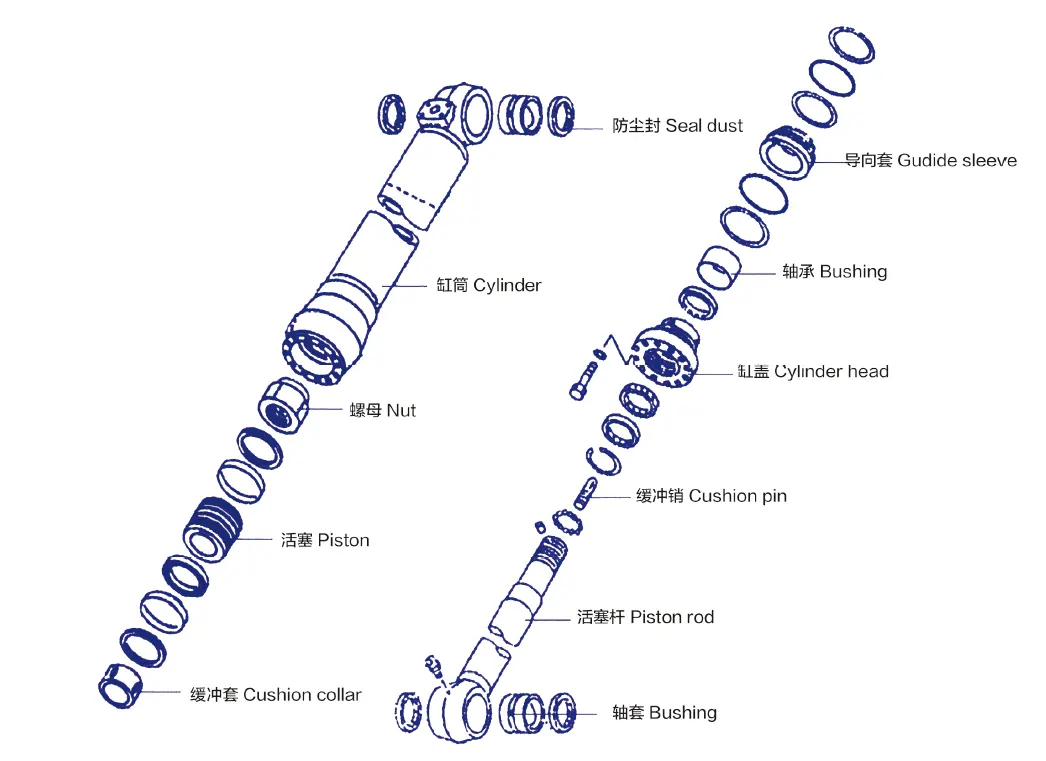
Caratteristiche
-
Trasmissione ad alta efficienza
The arm cylinder provides powerful linear motion and force, ensuring the high efficiency performance of the mechanical arm in various operations.
-
Controllo preciso
Grazie al sistema idraulico, il cilindro del braccio consente un controllo preciso del movimento, rendendo il funzionamento degli accessori più flessibile e preciso.
-
Durata
The arm cylinder is typically manufactured using high-strength materials, providing excellent wear resistance and corrosion resistance, making it suitable for long-term use in harsh environments.
-
Adattabilità multifunzionale
These cylinders can be widely applied to various types of machinery, such as excavators, cranes, and mechanical arms, to meet different working requirements.
-
Facile manutenzione
Designed with maintenance and replacement in mind, the arm cylinders make regular inspection and maintenance more convenient, reducing equipment downtime.

Applicazioni
Il cilindro del braccio trova applicazione in vari settori industriali:
-
Ingegneria edile
Negli escavatori e nelle gru, il cilindro del braccio controlla il movimento delle benne o dei bracci per il movimento terra, la movimentazione dei materiali e l'installazione strutturale.
-
Produzione
In automated production lines, the arm cylinder is used for the motion of mechanical arms in processes like assembly, welding, and material handling, improving production efficiency and precision.
-
Macchine agricole
Nelle macchine agricole come mietitrici e seminatrici, il cilindro del braccio controlla il movimento dei bracci operativi per attività quali la semina, la fertilizzazione e la raccolta.
-
Estrazione mineraria
In mining equipment, the arm cylinder controls the movement of the arm for mining and material handling.
-
Logistica e trasporti
Nei carrelli elevatori e nei robot di movimentazione, il cilindro del braccio controlla il sollevamento e il movimento delle forche, consentendo la movimentazione e l'impilamento dei materiali.
Considerazioni sulla progettazione e standard di selezione
When it comes to the design and selection of the arm cylinder, several factors need to be considered:
-
Capacità portante
Il cilindro del braccio deve essere progettato per sopportare la capacità di carico richiesta per garantire un funzionamento sicuro ed efficiente.
-
Sigillatura
Various sealing components, such as piston seals and rod seals, should be used to maintain proper sealing. These seals are made of durable materials like polyurethane and nitrile rubber to withstand wear and tear.
-
Durata
The arm cylinder should be constructed with high-quality materials and undergo precise surface treatments to enhance durability and resistance to wear.
-
Sicurezza
The design should incorporate safety features to prevent accidents and ensure the safe operation of the machinery.
-
Manutenibilità
The arm cylinder should be designed for easy maintenance and replacement, reducing downtime and increasing productivity.

Sigillatura e lubrificazione
The arm cylinder employs various sealing components, such as piston seals and rod seals, which are made of wear-resistant materials like polyurethane and nitrile rubber. The cylinder body and threaded end surfaces are finely treated to improve wear resistance. Regular lubrication with the appropriate amount of hydraulic oil is required to ensure smooth operation.

Ispezione regolare e manutenzione preventiva
- Regularly inspect the arm cylinder for any signs of wear or damage.
- Controllare i componenti di tenuta e sostituirli se necessario.
- Ensure proper lubrication and refill with hydraulic oil when needed.
- Inspect and maintain other components connected to the arm cylinder.
- Seguire il programma di manutenzione consigliato dal produttore.
Linee guida per l'installazione del prodotto
Per una corretta installazione del cilindro del braccio, seguire questi passaggi:
- Preparare gli strumenti e le attrezzature necessari.
- Carefully remove the existing cylinder, if applicable.
- Install the new arm cylinder in the correct position, aligning the mounting points.
- Tighten the bolts securely to ensure a stable connection.
- Dopo l'installazione, verificare la presenza di eventuali perdite o movimenti anomali.

Considerazioni sulla sicurezza e fattori ambientali
When using the arm cylinder, it is important to follow safety measures to prevent accidents and ensure the well-being of operators and others. Proper safety equipment and training should be provided. Additionally, environmental factors, such as temperature and humidity, should be considered to ensure optimal performance of the arm cylinder.
Risoluzione dei problemi e problemi comuni
Common issues that may arise with the arm cylinder:
- Perdita di fluido idraulico
- Rumori anomali durante il funzionamento
- Movimento lento o non reattivo
- Pressione incoerente
- Uneven wear on sealing components
To troubleshoot these issues, follow these tips:
- Inspect the cylinder for any visible leaks and repair or replace the damaged seals.
- Check the hydraulic fluid level and refill if necessary.
- Inspect the hydraulic lines, fittings, and valves for any damage or blockage.
- Check the pressure settings and adjust if needed.
- Regularly clean and lubricate the
Cilindro idraulico Applicazione:

 IT
IT  EN
EN  PT
PT  ES
ES  DE
DE  FR
FR  AR
AR  ZH
ZH  RU
RU  KO
KO  KA
KA  BG
BG  CS
CS  DA
DA  EL
EL  ET
ET  FI
FI  HU
HU  ID
ID  LT
LT  LV
LV  NB
NB  NL
NL  PL
PL  RO
RO  SK
SK  SL
SL  SV
SV  TR
TR  UK
UK