

Cilindro del braccio per escavatore gommato Komatsu PW100S
In qualità di uno dei produttori, fornitori ed esportatori di prodotti meccanici, offriamo cilindri idraulici e molti altri prodotti.
Per maggiori dettagli, contattateci.
Posta:sales@hydraulic-cylinders.net
Produttore fornitore esportatore di cilindri idraulici.
Arm Cylinder for Komatsu Wheel Excavator PW100S
Introduzione
The Arm Cylinder is a specially designed hydraulic cylinder that provides linear motion and power to the arm of various machinery, such as excavators, cranes, and mechanical arms. It plays a crucial role in hydraulic systems, enabling the effective movement and control of attachments or accessories. These cylinders not only ensure smooth motion but also withstand heavy loads, ensuring high efficiency and reliability of machinery in various operating conditions.
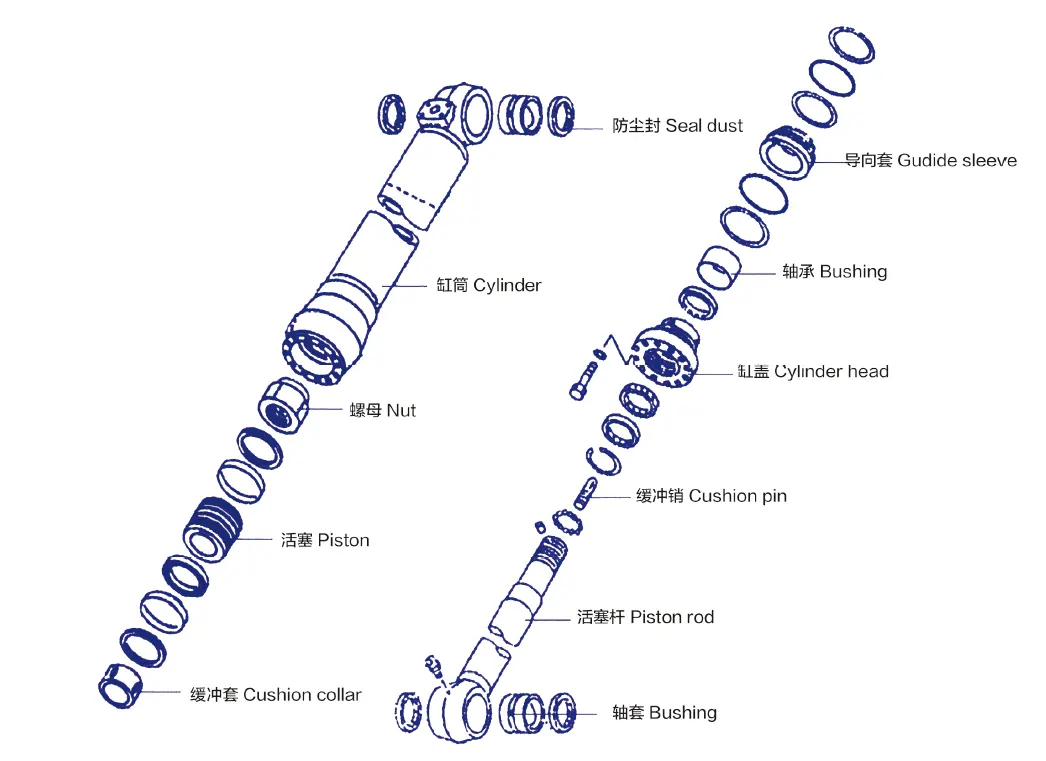
Caratteristiche
- Trasmissione ad alta efficienza: The Arm Cylinder provides powerful linear motion and force, ensuring efficient performance of the mechanical arm in various operations.
- Controllo preciso: Grazie al sistema idraulico, il cilindro del braccio consente un controllo preciso del movimento, rendendo il funzionamento degli accessori più flessibile e preciso.
- Durata: Arm Cylinders are typically made of high-strength materials with excellent wear and corrosion resistance, making them suitable for long-term use in harsh environments.
- Adattabilità multifunzionale: These cylinders are widely applicable to various machinery, such as excavators, cranes, and mechanical arms, adapting to different work requirements.
- Facile manutenzione: Progettato per una facile manutenzione e sostituzione, il cilindro del braccio facilita le ispezioni e la manutenzione regolari, riducendo i tempi di fermo delle apparecchiature.

Applicazioni
Il cilindro del braccio trova applicazione in vari settori industriali:
1. Ingegneria delle costruzioni
In excavators and cranes, the Arm Cylinder controls the movement of the bucket or boom, enabling earthwork operations, material handling, and structural installations.
2. Industria manifatturiera
In automated production lines, the Arm Cylinder facilitates the motion of mechanical arms for processes such as assembly, welding, and material handling, thus improving production efficiency and precision.
3. Macchine agricole
In agricultural machinery like harvesters and seeders, the Arm Cylinder controls the movement of the operating arm, executing tasks such as sowing, fertilizing, and harvesting.
4. Estrazione mineraria
In mining equipment, the Arm Cylinder controls the arm movement of mining machinery, enabling the extraction and transportation of minerals.
5. Logistica e trasporti
Nei carrelli elevatori e nei robot di movimentazione, il cilindro del braccio controlla il sollevamento e il movimento delle forche, facilitando la movimentazione e l'impilamento dei materiali.

Considerazioni progettuali e criteri di selezione
- Capacità portante: The Arm Cylinder is designed to withstand the specified load requirements for safe and efficient operation.
- Sigillatura: Various sealing components, such as piston seals and rod seals, are used to ensure proper sealing. These seals are made of wear-resistant materials like polyurethane and nitrile rubber.
- Durata: The cylinder body and threaded ends undergo meticulous surface treatment to improve wear resistance and prolong the lifespan of the Arm Cylinder.
- Sicurezza: Safety considerations are incorporated into the design to prevent accidents and ensure the safe operation of the Arm Cylinder.
- Manutenibilità: The design allows for easy maintenance and regular lubrication to ensure optimal performance and extend the service life of the Arm Cylinder.

Sigillatura e lubrificazione
The Arm Cylinder utilizes various sealing components, such as piston seals and rod seals, made of wear-resistant materials like polyurethane and nitrile rubber. The cylinder body and threaded ends undergo meticulous surface treatment to enhance wear resistance. Regular lubrication with the appropriate amount of hydraulic oil is necessary to ensure smooth operation and lubrication of the Arm Cylinder.
Ispezione regolare e manutenzione preventiva
To maintain the optimal performance and prolong the lifespan of the Arm Cylinder, the following measures should be taken:
- Ispezionare regolarmente il cilindro del braccio per verificare la presenza di eventuali segni di usura, perdite o danni.
- Ensure proper lubrication by regularly checking and replenishing the hydraulic oil.
- Monitor the operating conditions and address any abnormal vibrations or noises promptly.
- Per gli intervalli e le procedure di manutenzione, seguire le linee guida del produttore.
- Replace any worn or damaged components with genuine parts from reputable suppliers.
Guida all'installazione del prodotto
The following steps should be followed for the proper installation of the Arm Cylinder:
- Preparare l'area di installazione e assicurarsi che sia pulita e priva di detriti.
- Position the Arm Cylinder in the desired location, aligning it with the mounting brackets or connections.
- Securely fasten the Arm Cylinder using appropriate bolts or fasteners, tightening them to the specified torque.
- Connect the hydraulic lines to the corresponding ports, ensuring proper sealing and tightness.
- Test the Arm Cylinder for proper operation and check for any leaks or abnormal behavior.

Considerazioni sulla sicurezza e fattori ambientali
When using the Arm Cylinder, it is crucial to prioritize safety measures. Proper training, adherence to operating instructions, and the use of appropriate personal protective equipment are essential to prevent accidents and ensure a safe working environment. Additionally, considering environmental factors such as minimizing leakage and proper disposal of hydraulic fluids contribute to environmental sustainability.
Risoluzione dei problemi e problemi comuni
The following are some common issues that may arise with the Arm Cylinder:
- Perdita di fluido idraulico dalle guarnizioni o dai collegamenti
- Abnormal noises or vibrations during operation
- Reduced performance or insufficient power
- Movimento incoerente o a scatti
Per risolvere questi problemi, prendi in considerazione i seguenti suggerimenti e soluzioni per la risoluzione dei problemi:
- Inspect the seals and connections for any signs of wear or damage, and replace them if necessary.
- Check the hydraulic fluid level and replenish if low or contaminated.
- Inspect the cylinder for any misalignment or mechanical issues, and rectify as needed.
- Ensure proper lubrication and check for any obstructions or debris in the hydraulic system.
Remember to organize the article logically with subheadings for easy navigation. Incorporate relevant images or charts to enhance understanding, and ensure that the content is clear, concise, and suitable for readers with different levels of technical knowledge.
Chi siamo
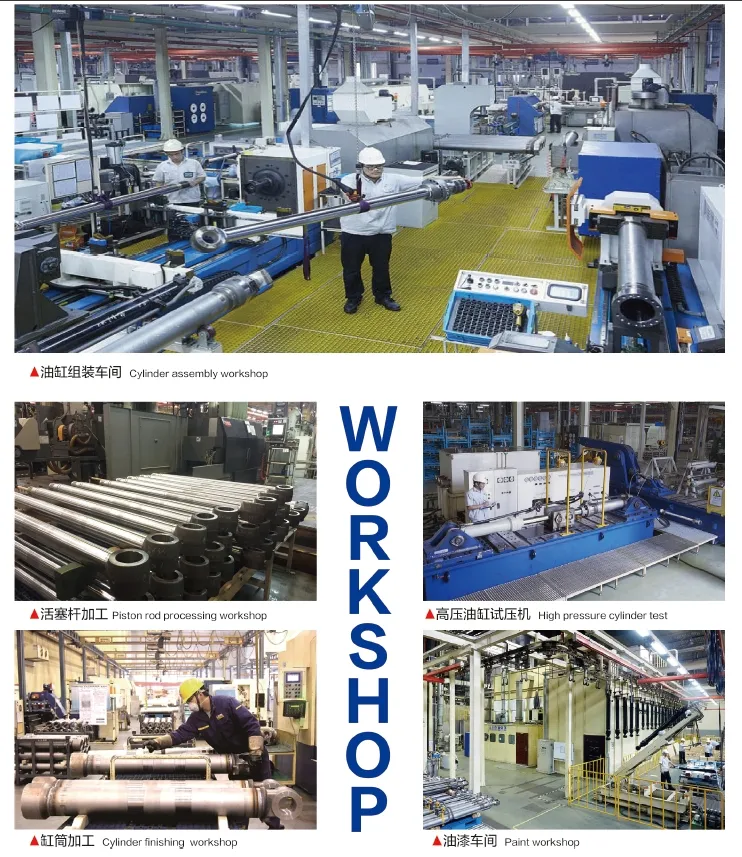
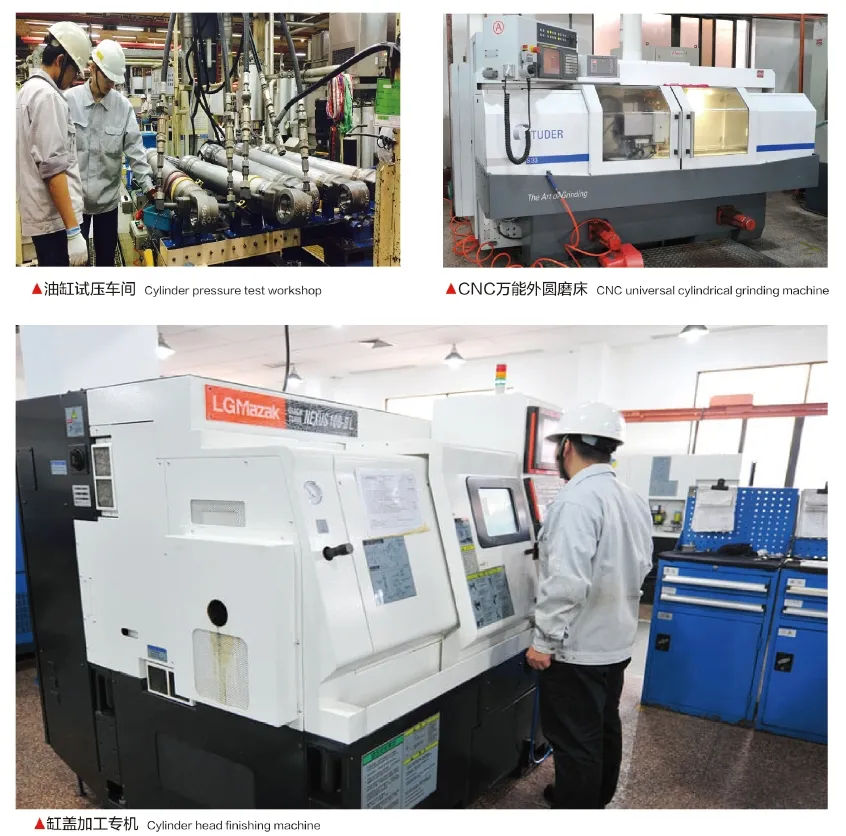
We are a professional manufacturer of replacement hydraulic cylinders, offering a wide range of products. We have become one of the leading manufacturers and wholesalers of hydraulic cylinders in the domestic and international markets. With a focus on excellent quality, we continuously improve our technological level and production efficiency. By introducing advanced digital manufacturing equipment and professional testing systems, we optimize our manufacturing platform and enhance product quality control processes. Our goal is to meet customers’ diverse needs with efficiency, precision, and high-quality products.
Autore: lyl
Cilindro idraulico Applicazione:

 IT
IT  EN
EN  PT
PT  ES
ES  DE
DE  FR
FR  AR
AR  ZH
ZH  RU
RU  KO
KO  KA
KA  BG
BG  CS
CS  DA
DA  EL
EL  ET
ET  FI
FI  HU
HU  ID
ID  LT
LT  LV
LV  NB
NB  NL
NL  PL
PL  RO
RO  SK
SK  SL
SL  SV
SV  TR
TR  UK
UK